NEWS ALERT: Fighting Concrete Corrosion in Water Treatment Facilities for Greater Sustainability

August 17, 2022

Water and wastewater treatment facilities are part of the critical infrastructure that makes our lives better on a daily basis, but often does not get a second thought. Nevertheless, the longevity of these structures not only impacts our municipal budgets but can also affect our long-term carbon footprint, since concrete production is among the largest contributors to anthropogenic greenhouse gas emissions. Specifying Migrating Corrosion Inhibitors (MCI®) into the concrete structural design can promote a more sustainable future by reducing the need for early replacement of high carbon-cost, energy-intensive reinforced concrete in drinking water reservoirs, desalination plants, and wastewater facilities.

Drinking Water Reservoirs and Pumping Systems

The first of these environments is the least corrosive. However, concrete drinking water reservoirs, piping, or pumping stations can still experience challenges from high exposure to moisture or due to long-term carbonation. One water consortium in Europe knew from experience that their structures were prone to corrosion and took care to minimize future damage by incorporating MCI®-2005 admixture into a new reservoir and water regulating tank. This concrete admixture is certified to meet ANSI/NSF Standard 61 for use in large potable water structures and so was a great corrosion inhibiting alternative to calcium nitrites, which are not certified in this way. Another product certified to meet NSF Standard 61 is MCI®-2020, which can be used for maintenance and corrosion mitigation on existing drinking water structures where carbonation may have set in.

Desalination Plants

Desalination plants are much more corrosive due to inevitable exposure to saltwater and brine. This is a built-in recipe for corrosion disaster. It is therefore imperative for desalination engineers to specify corrosion protection into the system in order to fight this ever-present challenge. The Sorek Desalination Plant is a great example of how and where MCI® can be used to fight desalination plant corrosion. MCI®-2005 was added along with a waterproofing admixture to both filtration bins and prefab concrete pipe segments. MCI®-2005 was also admixed into brine water reservoirs, where water likely reaches its peak chloride concentration. Furthermore, MCI®-2020 surface applied corrosion inhibitor (SACI) was used to compensate for low concrete cover in some desalinated water reservoirs. At least seven years later, no corrosion related issues had been reported.

Wastewater Treatment Plants and Pumping Stations

Last, but not least, wastewater treatment plants are among the most corrosive of these environments due to the high concentration of H2S and other contaminants present in the waste materials. Clarifiers, aeration tanks, secondary treatment bins, walkways, and pumping stations are often made of reinforced concrete and exposed to corrosive chemicals. The best plan is to specify MCI®-2005 or MCI®-2005 NS as a corrosion inhibiting admixture when the tanks or facilities are first poured. MCI®-2026 can be topically applied at any stage as a tough barrier in tanks or high traffic areas because of its outstanding resistance to chemicals and abrasion.

Promote Economic and Environmental Sustainability The presence of water, chlorides, and/or chemicals naturally adds to the risk of reinforced concrete corrosion. By taking advantage of a few key MCI® materials, facility designers and owners can raise the probability of extending service life for greater economic and environmental sustainability. Contact Cortec® for advice on your facility:
https://www.cortecmci.com/contact-us/

Keywords: sustainability, MCI, From Grey to Green, corrosion protection, concrete corrosion, concrete admixtures, carbon footprint, contributors to greenhouse gas emissions, wastewater treatment, extending service life
NEWS ALERT: Seven New DOT Approvals for Cortec® MCI®!

August 9, 2022

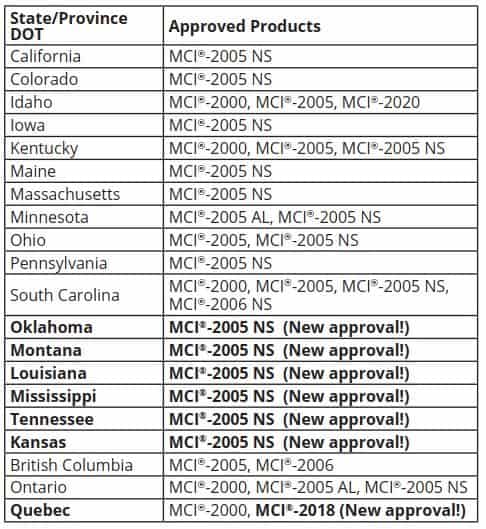
Cortec® is excited to announce seven new DOT approvals for MCI® Technology in North America! In the U.S., six more state DOTs have added MCI®-2005 NS to their list of approved concrete admixtures. In Quebec, Canada, MCI®-2018 has been approved for DOT use in addition to previously approved MCI®-2000. DOT approval is important for three reasons:

  1. It allows engineers to specify MCI® in DOT construction projects for these states/provinces.
  2. It lends credibility to engineers desiring to use MCI® Technologies in non-DOT projects.
  3. It ultimately can improve the quality of construction by qualifying good-performing products through rigorous review according to industry standards.

MCI®-2005 NS is a concrete admixture that delays time to corrosion and reduces corrosion rates once started. MCI®-2018 is a surface applied corrosion inhibitor (SACI) with water repellency that can be used for periodic maintenance or concrete repair.

With 42% of all U.S. bridges at least 50 years old (according to the 2021 Report Card for America’s Infrastructure*), today’s generation is seeing a greater need to extend service life for both new and existing structures. MCI® is one of the easiest and most cost effective ways to do so, especially in coastal regions or states/provinces where harsh winters require the use of deicing salts. In addition, MCI® can be helpful in any region to combat carbonation-induced corrosion that sets in over a long period of time.

The following 20 states/provinces have DOT approvals for MCI® in one or multiple forms.

Cortec® continues to work on the DOT approval application process in other states and looks forward to extending the regions where MCI® can be used in DOT projects. In the meantime, we encourage you to take advantage of the many DOT approvals already in existence to promote greater longevity of bridges and other reinforced concrete structures across North America!

Contact Cortec® MCI® for more info: https://www.cortecmci.com/contact-us/

Keywords: concrete admixtures, concrete repair, corrosion inhibitors, concrete corrosion, Cortec MCI, From Grey to Green, DOT approvals, SACI, extend service life, longevity of bridges

*See https://infrastructurereportcard.org/cat-item/bridges/.

For a PDF version please click here.

NEWS ALERT: Using MCI® to Enhance Sustainability of Concrete Oil and Gas Structures

August 4, 2022

Regardless of the current impetus toward “greener” energy, it remains a fact that society is heavily dependent on the oil and gas industry and will likely remain so in the near future. This does not mean nothing can be done to improve the sustainability of existing oil and gas infrastructure. One great strategy for doing so is to extend the service life of reinforced concrete structures using Cortec® MCI®.

Taking Concrete From Grey to Green™
MCI® Technology extends concrete service life by mitigating corrosion on embedded reinforcing metal. Corrosion is one of the chief enemies of concrete longevity because it leads to cracking, spalling, and eventual deterioration of the structure. Since concrete production is such an energy intensive activity, helping concrete last longer is an important part of a sustainability-savvy and resource efficient society. The less often that concrete repairs or replacements have to be made, the more resources are saved, and the smaller the concrete carbon footprint becomes.

Vulnerable Oil & Gas Structures
There are many different concrete structures to consider in the oil and gas industry, with some at greater risk for corrosion than others. For example, many oil and gas terminals are located in coastal environments or harsh regions of the Middle East where airborne chlorides, heat, humidity, or even soil minerals can be highly corrosive. Many fixed or floating offshore platforms, terminals, foundations, and caissons are also made of reinforced concrete exposed directly to high-chloride seawater. These factors can seriously decrease the service life of concrete structures if special measures are not taken to counteract corrosion. Among these measures, a high-performance concrete design mix, preventative maintenance, and quality repairs are of utmost importance.

When to Use MCI®
The best time to apply MCI® is as a concrete admixture (MCI®-2005 or MCI®-2005 NS) in new cast-in-place structures or precast concrete elements. MCI® molecules form a protective layer on the surface of the reinforcing metal that delays time to corrosion and reduces corrosion rates once started. However, even existing structures can benefit from MCI®CorrVerter® MCI® Rust Primer is an excellent option for prepping exposed rusted rebar during concrete repairs. Surface applied corrosion inhibitors (SACI) such as MCI®– 2019 (MCI® + water repellent) or MCI®-2020 (MCI® only) are excellent additions to enhance the lifetime of the repair or to apply simply for periodic maintenance on oil and gas structures. These MCI® SACIs migrate through the concrete pores to reach and protect embedded reinforcement. MCI®-2061 is a complementary biological-based cleaner that uses biodegradable surfactants and microorganisms to remove oil stains before the application of a SACI, a coating, or a membrane system.

Take Responsibility for Critical Resource Stewardship
The oil and gas industry is part of today’s existing critical infrastructure that demands responsible stewardship. By taking basic steps like using MCI® Technology to extend service life—particularly for at-risk structures in corrosive environments—the oil and gas industry can save time and money while indirectly reducing their carbon footprint. Contact Cortec® for further assistance in finding ways to enhance the sustainability of concrete oil and gas industry
structures: 
https://www.cortecmci.com/contact-us/

Keywords: sustainability, concrete oil and gas structures, MCI, From Grey to Green, extend service life, mitigating corrosion, concrete admixture,
Cortec, rusted rebar, reduce carbon footprint

For a PDF version please click here.

PRESS RELEASE: MCI®-2026 Primer WB for Concrete: A Great Alternative to Solvent-Based Sealers!

August 2, 2022

The porous nature of concrete makes it very susceptible to moisture—whether seeping up from the ground beneath or penetrating down from wet materials on the surface above. UV light and chemicals can also damage the substrate and cause premature degradation. This makes sealers a basic element of proper concrete maintenance to extend service life in many circumstances. MCI®-2026 Primer WB is one excellent option to consider for sealing out moisture and protecting concrete, devoid of many disadvantages associated with a solvent-based sealer.

MCI®-2026 Primer WB is a 2K (two-component) 52% solids water-based epoxy coating system that outperforms and outlasts most solvent-based sealer systems without the associated odors, flammability, or VOCs. MCI®-2026 Concrete Primer WB offers good moisture and chemical resistance. The low viscosity allows for greater substrate penetration, improved handling, and easier application, while the lack of solvent odors makes MCI®-2026 Primer WB inoffensive during indoor applications. Compared to traditional concrete sealers, it is more durable, and cleanup is much easier after application. MCI®-2026 Concrete Primer has excellent adhesion and dries quickly in one to three hours before it can be recoated. At <60 g/L VOC per EPA Method 24, it is compliant to all VOC/HAPS regulations. It meets all of the USDA/FDA guidelines for use in federally inspected facilities.

MCI®-2026 Concrete Primer WB works great independently as a standalone concrete sealer and is an economical alternative to its 100% solids novolac epoxy coating counterpart. For extra durability, MCI®-2026 Concrete Primer WB can be applied in two coats, creating a tough concrete sealer system for heavy (rolling) traffic. Those that are willing to make the investment will find MCI®– 2026 Primer WB to be a great companion to MCI®-2026 Floor Coating as a base primer in situations where extra resistance to moisture from the concrete is needed. The end result is an extra tough barrier to moisture, chemicals, and physical abrasion.

MCI®-2026 Concrete Primer WB comes in clear or grey to provide an inconspicuous and/or fresh appearance in industrial settings. This is great for use in factories, garages, food processing facilities, and many other industrial environments where there is frequent spillage, cleaning, cart or vehicle traffic, and residual oils or greases.

Possible applications include
• Garage floors
• Food processing facility floors
• Shop/factory floors
• Chemical and pharmaceutical industry floors
• Laboratory floors
• Decorative concrete overlays

One of the most basic forms of concrete protection is to seal out the elements. MCI®-2026 Primer WB does so without the cost of a full heavy-duty epoxy system and without the nuisances of a solvent-based system. For economical, worker-friendly, industrial-strength protection, contact Cortec® to learn more about using MCI®-2026 Primer WB: https://www.cortecmci.com/contact-us/

Keywords: concrete sealers, Cortec MCI, MCI, concrete primer, floor coating, epoxy coating, proper concrete maintenance, alternative to solvent based sealers, protecting concrete, extend concrete service life

Need a High-Resolution Photo? Visit: www.cortecadvertising.com

For a PDF version please click here.

NEWS ALERT: Cortec® MCI® Explores Weather, Concrete, and More at ICRI Spring Convention!

What are the effects of weather on concrete and construction? This was the main topic under consideration at the 2022 ICRI Spring Convention, April 4th-6th in Baltimore, MD, along with many other issues related to concrete repair. We were grateful to have a solid trio of MCI® experts (Kevin Quan, Jon Connealy, and Lisa Marston) there to represent Cortec® MCI® at our tabletop booth and in various committee meetings and educational presentations throughout the three-day gathering of construction professionals.

Networking at ICRI

The convention was marked by strong attendance, allowing our team to network with a variety of engineers, contractors, and distributors—especially from the U.S. East Coast region. The steel wool bottle demo captured a lot of interest because of the clear contrast between unprotected versus protected steel wool in water. It was great to see suppliers interested in learning more about MCI®, as well, since they stand to benefit from incorporating the technology into some of their own projects.

Educational Opportunities

Our team also had time to attend educational presentations and committee meetings, learning about everything from competitor technologies to how climate change could affect concrete durability. Lisa Marston, our Regional Technical Service Engineer with a focus on MCI®, was able to add to her skills and understanding of the field by participating in the 160 Life Cycle and Sustainability committee meeting and attending the 510 Corrosion committee and the Women in ICRI committee meetings.

Ongoing Initiatives

One topic that kept resurfacing during conference discussions was the issue of service life modeling for existing structures at the repair stage. Currently, no tools for estimating service life exist beyond what is available for new structures. This will likely be a continuing topic of discussion at ICRI as more ideas unfold on how to address this important need. Other exciting initiatives include the recent development of new task groups by Women in ICRI to encourage more involvement and outreach at the local chapter level for emergency response support, philanthropic/volunteer opportunities, education, and more.

All in all, ICRI was a great time to deepen our connections, share our specialty areas of expertise, and keep our eye on trends that will be important to all of us in the concrete and construction industries!

Save the date now for the ICRI Fall Convention in Atlanta! https://www.icri.org/events/EventDetails.aspx?id=1628243&group=

Keywords: Cortec, MCI, weather and concrete, ICRI Spring Convention, service life modeling, effects of weather on concrete, From Grey to Green, sustainability, corrosion, concrete repair

For a PDF version please click here.

NEWS ALERT: Plan to Learn, Network, and Grow at the ICRI Spring Convention 2022!

Calling all MCI® professionals! Spring is on its way to the Northern Hemisphere, which also means it is time to mark our calendars for the 2022 ICRI Spring Convention in Baltimore, Maryland. This seasonal conference hosted by the International Concrete Repair Institute (ICRI) offers several great ways to learn and grow in the field of concrete durability and repair.

1. Learn More about MCI® and Concrete Repair
First of all, the ICRI Spring Convention is a great opportunity to add to your industry knowledge. This year’s topic, “Weather—Its Impact on Concrete and Construction,” goes hand in hand with Cortec® MCI® Technology. MCI® is used to delay and reduce corrosion on concrete structures in harsh environments, such as winter climates where freeze-thaw cycles and deicing salts wreak havoc. Jon Connealy, Kevin Quan, and Lisa Marston from our MCI® sales and technical team will be available to answer your project and technical questions on these topics and share about recent updates to our MCI® High Performance Repair System (HPRS®). ICRI technical sessions offer further means to boost your knowledge of the concrete repair industry in general.

2. Network with Construction Industry Professionals
The ICRI Spring Convention is also a good way to meet other industry professionals such as engineers and contractors who may be looking for new ideas on concrete repair and durability. These conventions gather a wealth of experts and end users into one place with the potential to build valuable long-lasting professional connections.

3. Grow in Your Influence and Expertise
Finally, the ICRI Spring Convention presents opportunities to become involved further by volunteering for committees that can shape the future of concrete repair and industry best practices.

Mark your calendars today and stay tuned to the ICRI website for further details on registration!

2022 ICRI Spring Convention
“Weather—Its Impact on Concrete and Construction”
April 4
th-6th, 2022
Baltimore Marriott Waterfront
700 Aliceanna Street
Baltimore, Maryland
United States
Details: 
International Concrete Repair Institute, Inc. (icri.org)

Keywords: ICRI, concrete repair, ICRISpring22, ICRI Spring Convention, Cortec, MCI, From Grey to Green, construction industry, corrosion, concrete durability

For a PDF version please click here.

NEWS ALERT: Face to Face at World of Concrete 2022

The World of Concrete (WOC) was a great opportunity for many of us to not only escape the snow and cold of our home environments, but also to see the whole MCI® team and some of our distributors and reps face to face once again! The excitement of being back in person January 18th– 21st in Las Vegas was visible among the audience, which, although smaller than pre-COVID shows, was noticeably larger than the June 2021 WOC when construction season was in full swing.

As usual, the MCI® Lunch & Learn was packed with discussion about MCI® business strategies, challenges, market changes, and industry reception, as well as product updates and relevant case histories. Business aside, our reps and distributors had time to relax and attend “WOW – The Vegas Spectacular,” to be entertained by acrobats in a theatrical setting.

WOC also brought opportunities to talk with current and potential customers—some of whom seemed genuinely interested in learning about MCI® Technology for the first time. Another potential benefit of the conference was connecting with material suppliers who may be helpful resources for future R&D efforts.

Although we missed the presence of our international distributors this year, it was great to see those of you who were able to attend from Alpine Summit Enterprises , JN Lucas & Associates, M2, and SMART. We were happy to be together once again, and we look forward to seeing even more of you next year at WOC 2023!

Keywords: World of Concrete, WOC2022, Cortec, MCI, Cortec MCI, From Grey to Green, construction industry, concrete repair, construction season, Cortec distributors

For a PDF version please click here.

MCI®-309: A Corrosion Inhibitor for PT Bridges and Beyond!

MCI 309 Projects NA scaled

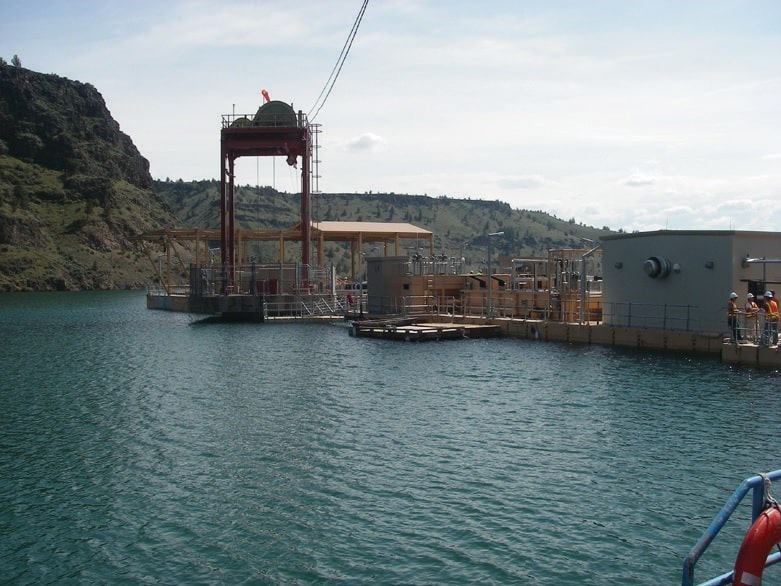
The history of MCI®-309 for the last 20 years has been the history of convenient and versatile corrosion protection around the globe. Since 2001, MCI®-309 corrosion inhibitor has been applied in at least 23 of the United States (plus D.C.), two provinces, and 10 countries. It has been used from Murmansk to Dubai and from Montreal to Oahu. While its most common purpose is as a corrosion inhibitor in post-tension (PT) bridges awaiting grouting, MCI®-309 has also been used to protect floating bridges and flex-float internal cavities. Just a few key projects are mentioned below.


Project Name Location Year
Round Butte Reservoir Madras, Oregon (USA) 2009-Present
St. Croix River Crossing Oak Park Heights, MN/Houlton, WI (USA) 2014-2017
Samuel De Champlain Bridge/ Réseau Express Métropolitain (REM) Light Rail System Montreal, Quebec (Canada) 2016-2019
Frederick Douglass Memorial Bridge Project Washington, DC (USA) 2020
Dubai Metro 2020 Route Dubai (UAE) 2019


Keywords: corrosion inhibitor, PT bridges, post tension cable corrosion, grouting delays, Cortec, MCI, Frederick Douglass Memorial Bridge, Samuel De Champlain Bridge, St. Croix River Crossing

MCI®-309 is a welcome answer for construction crews that face PT grouting delays due to cold weather or other interruptions after PT placement. In the U.S., state and federal requirements typically call for corrosion inhibitor application if the waiting period is two weeks or longer. MCI®-309 is a convenient choice because it is easy to apply by fogging through the PT ducts and then capping the ends. Little or no surface prep is required, and the corrosion inhibitor does not need to be flushed out prior to grouting because it does not affect bond strength. These factors reduce labor and minimize further exposure to corrosive elements, all while mitigating PT cable corrosion. Contact us for more info on how and where MCI®-309 has been
used: 
https://www.cortecmci.com/contact-us/

For a PDF version please click here.

NEWS ALERT: MCI® PTC® Emitters – Go Beyond Reinforced Concrete Protection!

Did you know that the benefits of MCI® Technology extend beyond reinforced concrete? While Migrating Corrosion Inhibitors are most commonly used to mitigate the corrosion of embedded rebar in new or existing concrete, they offer much broader benefits, as demonstrated by PTC Emitters.

How PTC Emitters Work
PTC Emitters are breathable pouches that contain Migrating Corrosion Inhibitor™ powder. They can be placed in any void space enclosure where corrosion protection is needed. The MCIs vaporize through the pores of the pouch, diffuse throughout the space, and finally form a protective molecular layer on surrounding metal surfaces. Distribution of the MCI® vapors in large spaces can be enhanced by blowing dry air through the pouches, if needed.

Designed to Protect Suspension Cables
PTC Emitters were initially designed to mitigate corrosion on suspension bridge cables. These cables are made of many metal strands twisted together
with voids that can capture moisture and foster corrosion between the strands. Dehumidification systems are sometimes used to force dry air through these cables in an effort to reduce moisture and stave off corrosion. PTC Emitters are a perfect backup to the deficiencies of dehumidification. They can be easily placed in chambers added to the dehumidification piping for the purpose of blowing Migrating Corrosion Inhibitors throughout the intricacies of the suspension cable strands.

One Technology, Many Uses
PTC Emitters can also be adapted to many other construction/structural applications where metal needs corrosion protection inside a void space:

  • Tubular structures, pipes, and vessels
  • Segmental concrete bridge tendons/cables
  • Reinforcement inside box girder segments

If you work in construction or structural maintenance, be sure to contact us for more information and ideas on how PTC Emitters can provide the corrosion protection needed in your various applications. Learn more: https://www.cortecmci.com/contact-us/

Keywords: structural void space corrosion, suspension bridge cables, suspension bridge corrosion, dehumidification systems, Cortec, MCI, Migrating Corrosion Inhibitors, rebar corrosion, corrosion protection

For a PDF version please click here.

NEWS ALERT: MCI® Grenades Now Available at Lowest Price Ever!

AdobeStock 178174271 scaled

builder working with shovel during concrete cement solution mort

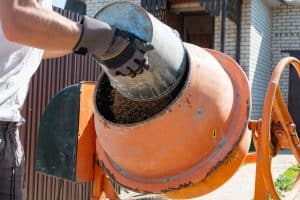
We are excited to announce competitive new pricing for MCI® Grenades! The cost-reduction comes thanks to the automation of our MCI® Grenade™ packaging system, which lowers production costs by allowing greater economies of scale. This translates into cost savings for customers who will be able to get more for their money next time they order MCI® Grenades. Customers will enjoy more savings per MCI® Grenade while also getting them in larger quantities: 40 MCI® Grenades (32 Metric MCI® Grenades) per drum instead of only 20 MCI® Grenades per carton. This is a great opportunity to stock up for emergencies on an economical, easy-to-use form of concrete corrosion protection and encourage more widespread use among ready-mix suppliers, contractors, and engineers.

MCI® Grenades have long been a convenient, cost-effective method of adding Migrating Corrosion Inhibitor™ admixtures to construction projects. Whether for a concrete repair or simply as a backup admixture for a new concrete pour, the MCI® Grenade™ is a great way to toss a powerful dose of corrosion protection into the ready-mix, while getting all the advantages of a nitrite-free admixture. The water-soluble packaging dissolves in contact with the mix water, releasing Migrating Corrosion Inhibitors to be dispersed throughout the batch. MCI® Grenades can be incorporated at the ready-mix plant or added directly to ready-mix trucks and portable mixers at the jobsite. One MCI® Grenade™ provides enough corrosion protection for 1 cubic yard of concrete (one Metric MCI® Grenade™ protects 1 m³) and migrates to adjacent areas to protect surrounding metals and minimize the ring anode effect.

Contact us for more information on our new MCI® Grenade™ quantities and pricing: https://www.cortecmci.com/contact-us/

Keywords: MCI Grenades, Migrating Corrosion Inhibitors, concrete repair, concrete admixtures, corrosion inhibiting admixtures, MCI admixtures, calcium nitrite alternatives, Cortec, ring anode effect, halo effect

For a PDF version please click here.